
Cómo calcular el tamaño de calefacción adecuado para su hogar
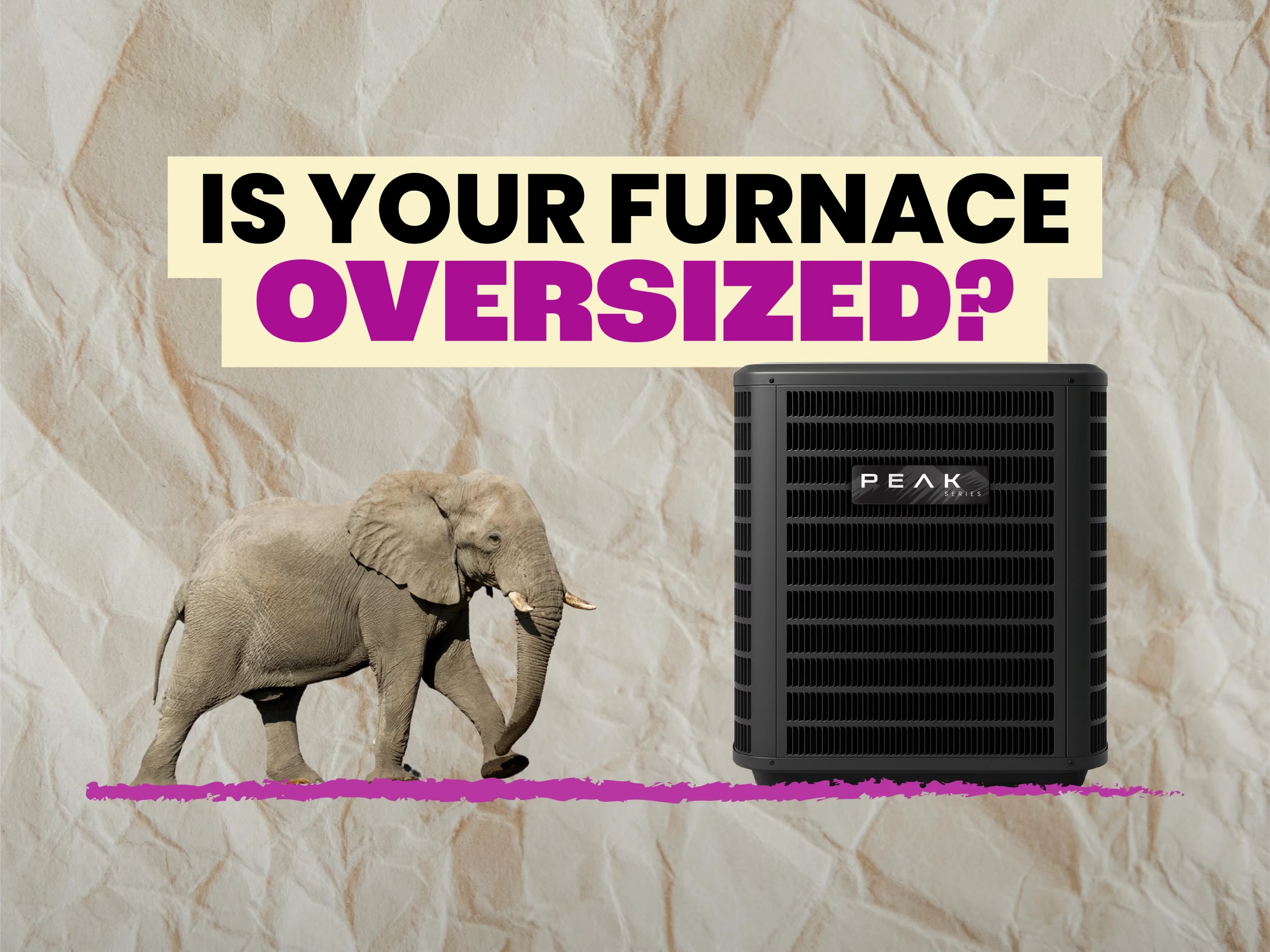
Mantenerse cómodo en invierno es fundamental, pero una caldera demasiado potente puede convertir ese confort en un problema. Una caldera sobredimensionada no solo desperdicia energía y dinero, sino que también puede provocar una calefacción desigual y corrientes de aire molestas.
¿Qué sucede cuando su caldera es demasiado grande para su hogar?
Una caldera demasiado grande para su hogar puede calentar el espacio con demasiada rapidez, pero eso no siempre significa mayor confort. En muchos casos, una caldera sobredimensionada se enciende, expulsa calor durante poco tiempo y se apaga antes de que su hogar se haya calentado de manera uniforme. Este patrón, conocido como ciclos cortos, puede provocar temperaturas desiguales, un desgaste innecesario de los componentes y mayores costes operativos a largo plazo. La ACCA menciona que el dimensionamiento adecuado del sistema de climatización debe basarse en un cálculo de carga profesional, no en suposiciones ni solo en los metros cuadrados.
Señales comunes de que su caldera podría estar sobredimensionada
Si su caldera es más grande de lo que su hogar realmente necesita, es posible que note algunas señales de alerta:
- El sistema se enciende y se apaga con frecuencia
- Algunas habitaciones se calientan demasiado rápido mientras otras permanecen más frías
- Su hogar se siente cálido por un momento y luego vuelve a estar desigual
- Las facturas de servicios públicos parecen altas para la cantidad de calor que recibe
- La caldera parece necesitar reparaciones con más frecuencia de lo esperado
Los ciclos cortos son una de las señales de advertencia más claras de una caldera sobredimensionada. Cuando el equipo de calefacción realiza ciclos con demasiada frecuencia, puede perder eficiencia y someter al sistema a un esfuerzo adicional.
Por qué es importante el dimensionamiento adecuado de la caldera
El tamaño correcto de la caldera ayuda a que su hogar se caliente de manera más uniforme y funcione con mayor eficiencia. Un sistema seleccionado correctamente se basa en la carga térmica real de su hogar, que incluye factores como el aislamiento, la superficie de las ventanas, las fugas de aire, la orientación y el rendimiento de los conductos. Es por eso que los contratistas de climatización de confianza utilizan el Manual J de la ACCA para los cálculos de carga y el Manual S para la selección de equipos en lugar de depender de reglas generales aproximadas.
Cómo saber si su caldera es demasiado grande
El mejor paso a seguir es que un profesional de climatización evalúe su sistema y realice un cálculo de carga. Mirar solo la etiqueta del horno no cuenta toda la historia. Es posible que su hogar haya cambiado con el tiempo gracias a un mejor aislamiento, ventanas nuevas, sellado de aire o ampliaciones, factores que pueden afectar el tamaño del equipo que realmente necesita.
Una evaluación profesional puede ayudar a determinar:
- Si la capacidad actual de su horno es adecuada para su hogar
- Si los conductos están afectando el confort y el flujo de aire
- Si los ciclos cortos se deben al dimensionamiento, a problemas con el termostato o a otro inconveniente
- Si lo más conveniente es reparar o reemplazar
Qué puede hacer al respecto
Si su horno es demasiado grande, la solución adecuada depende de la antigüedad y el estado del sistema. En algunos casos, realizar ajustes en el flujo de aire, la configuración del termostato o el rendimiento de los conductos puede mejorar el confort. En otros, reemplazar la unidad por un equipo del tamaño correcto puede ser la mejor decisión a largo plazo.
Si ya está lidiando con calefacción desigual, ciclos frecuentes o un aumento en los costos de energía, puede ser momento de revisar su sistema. Elegir el tamaño correcto puede marcar una gran diferencia en cuanto a confort, rendimiento y tranquilidad.
Conclusión
Más grande no siempre es mejor cuando se trata de hornos. Un sistema con el tamaño adecuado está diseñado para calentar su hogar de manera más uniforme, funcionar con mayor eficiencia y evitar los ciclos cortos que pueden generar problemas de confort y mantenimiento. Si cree que su horno puede ser demasiado grande para su hogar, un cálculo de carga profesional es el mejor punto de partida.


