








Cost of a Furnace in 2026

If you’ve been wondering how much of an investment a new furnace is for your home in 2026, you’ve come to the right place. In this guide, you’ll find everything you need to know about typical furnace costs based on system type, brand, efficiency level, and home size. We’ll also cover important considerations like installation costs and financing options so you can make a confident, well-informed decision when it’s time to replace your heating system.
Before committing to a full replacement, it’s worth checking whether a repair or tune-up could extend the life of your current furnace. Some heating issues are caused by worn components, airflow problems, or overdue maintenance rather than a full system failure. If you’re looking for a reliable HVAC company in West Michigan to inspect or repair your furnace, be sure to visit our furnace tune-up and maintenance page to schedule an appointment.
Still think it’s time for a new furnace? Let’s break down what furnace replacement costs look like in 2026.
How Much Does a New Furnace Cost in 2026?
The cost of a new furnace depends on several factors, including the system’s heating capacity, efficiency rating, fuel type, your home’s size, and installation labor. In 2026, homeowners can generally expect furnace replacement costs to range from $3,000 to $15,000, making it a significant but worthwhile investment in comfort and reliability.
For most residential homes, the average furnace installation cost is around $7,500–$9,000, including equipment and professional installation. Higher-end systems with advanced efficiency features or variable-speed technology may push costs higher, while smaller or more basic furnaces tend to fall on the lower end of the spectrum.
Keep in mind that these are estimates. Actual pricing may vary based on ductwork condition, venting requirements, fuel availability, and local labor rates. For the most accurate estimate, a professional in-home evaluation is always recommended.
Key Factors That Influence Furnace Cost
Furnace Capacity
The heating output of your furnace, measured in BTUs, must match your home’s heating demands. An undersized furnace will struggle to keep your home warm, while an oversized system may short-cycle and waste energy.
Furnace Efficiency
Efficiency is typically measured by AFUE (Annual Fuel Utilization Efficiency). Higher AFUE furnaces convert more fuel into usable heat, lowering monthly heating bills but increasing upfront cost.
Size of Your Home
Larger homes require furnaces with greater heating capacity, which increases both equipment and installation costs.
Installation Labor
Professional installation ensures safe operation, proper airflow, and optimal efficiency. Labor costs vary depending on system complexity, fuel type, and whether modifications to ductwork or venting are required.
Furnace Cost Breakdown by Type
The type of furnace you choose plays a major role in overall cost. Different furnace types are designed for different climates, fuel availability, and comfort preferences.
Gas Furnaces
The most common choice for homes with access to natural gas. Gas furnaces offer strong heating performance and a wide range of efficiency options.
- Average cost installed: $4,000–$10,000
- Best for: Cold climates and whole-home heating
Electric Furnaces
Electric furnaces are typically less expensive upfront but can cost more to operate depending on local electricity rates.
- Average cost installed: $3,000–$7,000
- Best for: Smaller homes or areas without gas service
Oil Furnaces
Used in some older homes or rural areas without gas access. Oil furnaces deliver powerful heat but require fuel storage and maintenance.
- Average cost installed: $5,000–$9,000
- Best for: Homes without gas or electric heating infrastructure
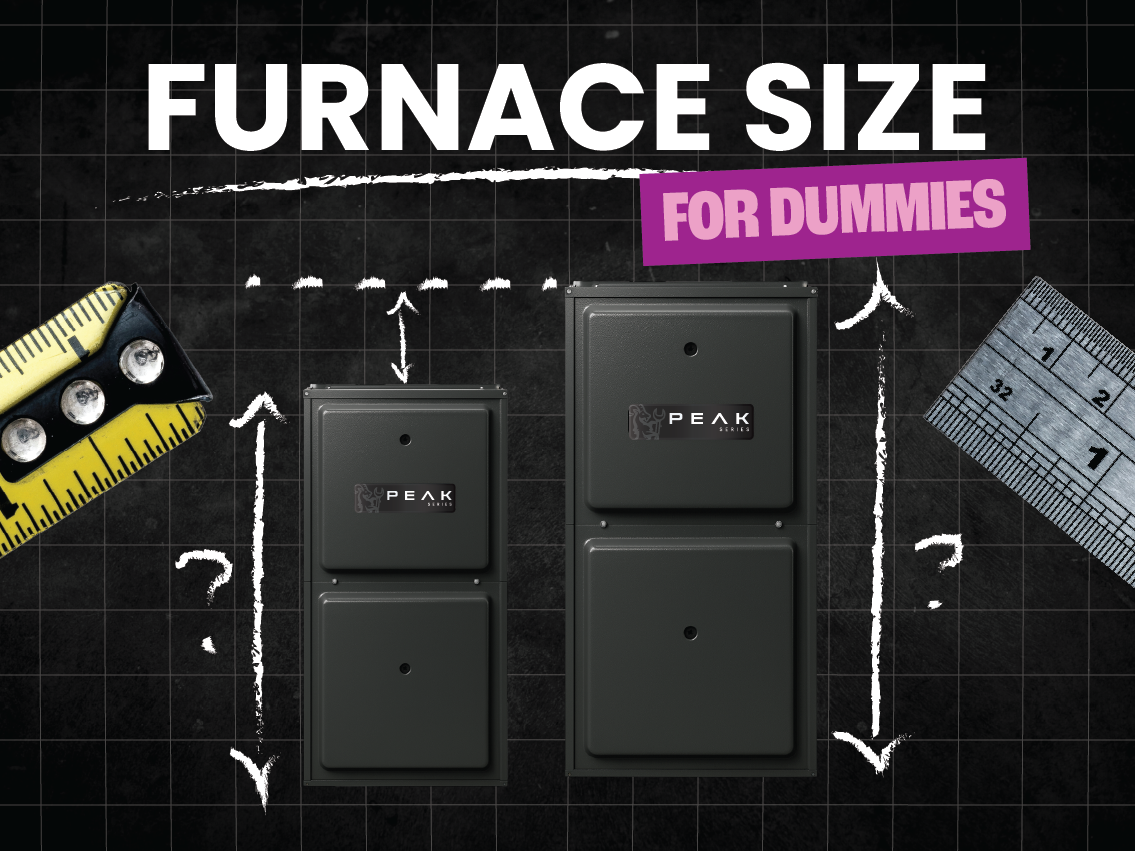
Furnace Size Guide by Home Square Footage
Choosing the correct furnace size is critical for comfort and efficiency. As a general rule, homes need 30–60 BTUs per square foot, depending on insulation quality and climate.
Estimated Heating Requirements:
- 500–800 sq ft: 40,000–50,000 BTUs
- 800–1,200 sq ft: 50,000–70,000 BTUs
- 1,200–1,600 sq ft: 70,000–90,000 BTUs
- 1,600–2,000 sq ft: 90,000–110,000 BTUs
- 2,000–2,500 sq ft: 110,000–130,000 BTUs
- 2,500+ sq ft: 130,000+ BTUs
A professional Manual J load calculation provides the most accurate sizing for your home.
Single-Stage vs. Two-Stage vs. Variable-Speed Furnaces
- Single-stage furnaces operate at full output whenever they run. They’re more affordable upfront but less consistent in comfort.
- Two-stage furnaces adjust output based on heating demand, providing better comfort and improved efficiency.
- Variable-speed furnaces offer the highest comfort level, quieter operation, and maximum energy efficiency, though at a higher initial cost.
While single-stage systems may be cheaper initially, higher-stage furnaces often deliver long-term savings and better indoor comfort.
Furnace Cost by Brand
Furnace pricing also varies by manufacturer. Brand reputation, warranty coverage, and technology all influence cost. Keep in mind that equipment price alone does not include installation, which is a major portion of total cost.
When choosing a brand, it’s important to balance reliability, efficiency, warranty length, and service support rather than focusing on sticker price alone.
The Role of Efficiency (AFUE Ratings)
Long-Term Savings
High-efficiency furnaces (90–98% AFUE) use significantly less fuel than older models, reducing heating bills over time.
Choosing the Right AFUE
For cold climates like Michigan, furnaces with 90% AFUE or higher typically offer the best balance between upfront cost and long-term savings.
Environmental Impact
Higher efficiency furnaces reduce fuel consumption and emissions, making them a more environmentally responsible choice.
Financing Options for Furnace Replacement
Replacing a furnace doesn’t have to mean paying everything upfront. Homeowners in 2026 have several financing options available:
Seasonal Discounts
HVAC companies often offer promotions during shoulder seasons like spring and early fall.
Home Equity Loans or HELOCs
These options may offer lower interest rates for homeowners with available equity.
Contractor Financing Programs
Many HVAC contractors partner with lenders to offer low-interest or deferred-payment financing options.
Energy-Efficient Financing
Programs like Michigan Saves may provide financing for energy-efficient heating upgrades.
Maintaining your furnace with annual tune-ups helps protect your investment and extend system lifespan.
Easy Financing Through Peak Heating and Cooling
Peak Heating and Cooling offers flexible financing and payment plan options to help homeowners invest in reliable, efficient heating without unnecessary financial stress. Whether you choose to pay partially upfront or finance the full system, our team will help you find an option that fits your needs and lifestyle.
The Verdict
Replacing a furnace is a major home decision, but it doesn’t have to be overwhelming. At Peak Heating and Cooling, we believe in making the process transparent, educational, and tailored to your home. From system selection to professional installation and long-term support, our goal is to create a heating solution that delivers comfort, efficiency, and peace of mind for years to come.
If you’re considering a new furnace in 2026, our team is here to help you every step of the way.