
Furnace Replacement
Service Near You
Furnace Replacement Financing Available.
Starting at 99/mo.

How can we
help you today?
Contact Us >
Contact our customer service team for HVAC service support, financing questions, additional concerns.
HVAC Financing >
Compare Peak financing options, payment plans. Get pre-approved, without taking a credit-score hit.
Offers >
See latest HVAC deals, zero-interest promotions, and limited-time system replacement offers.
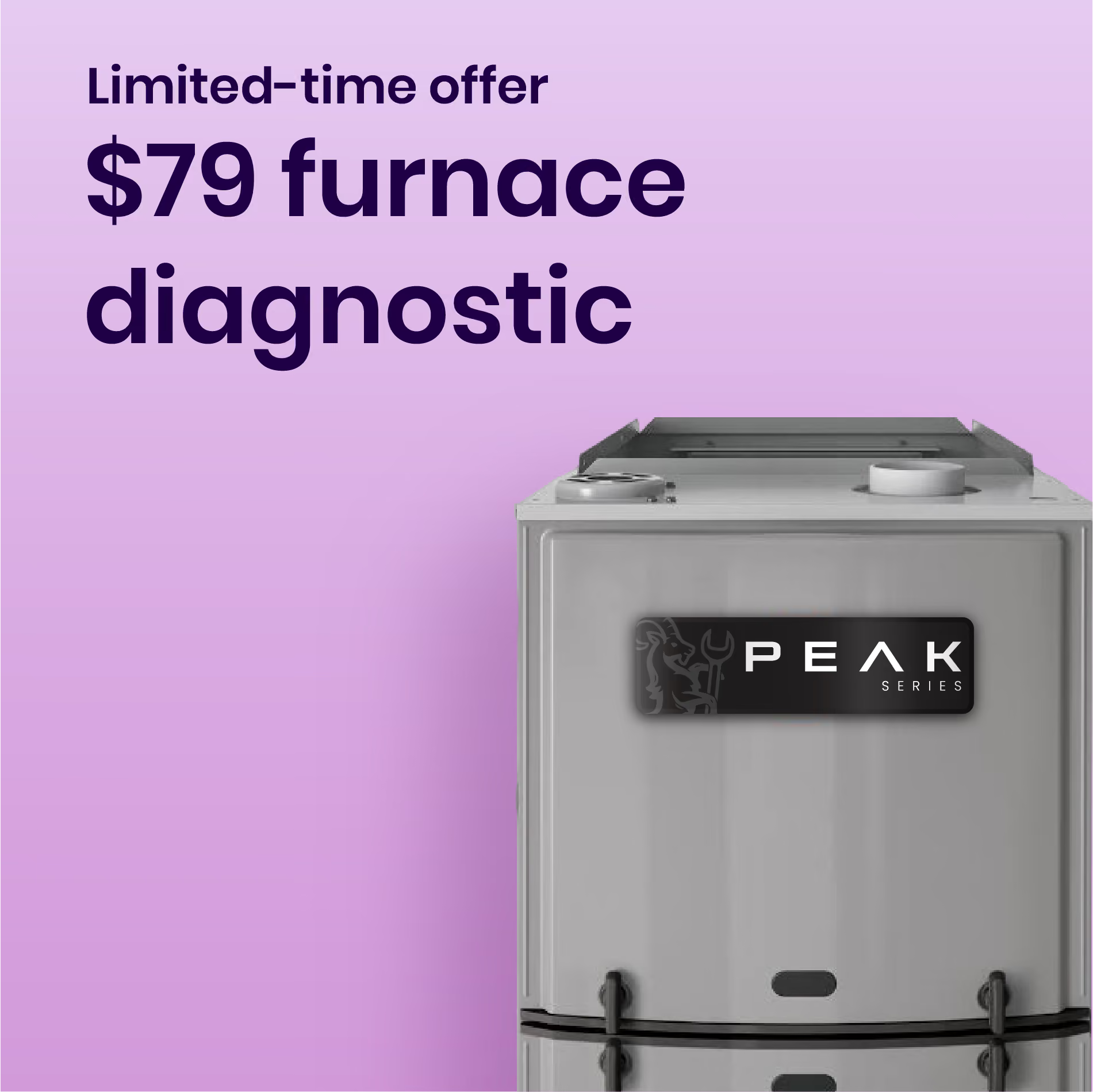
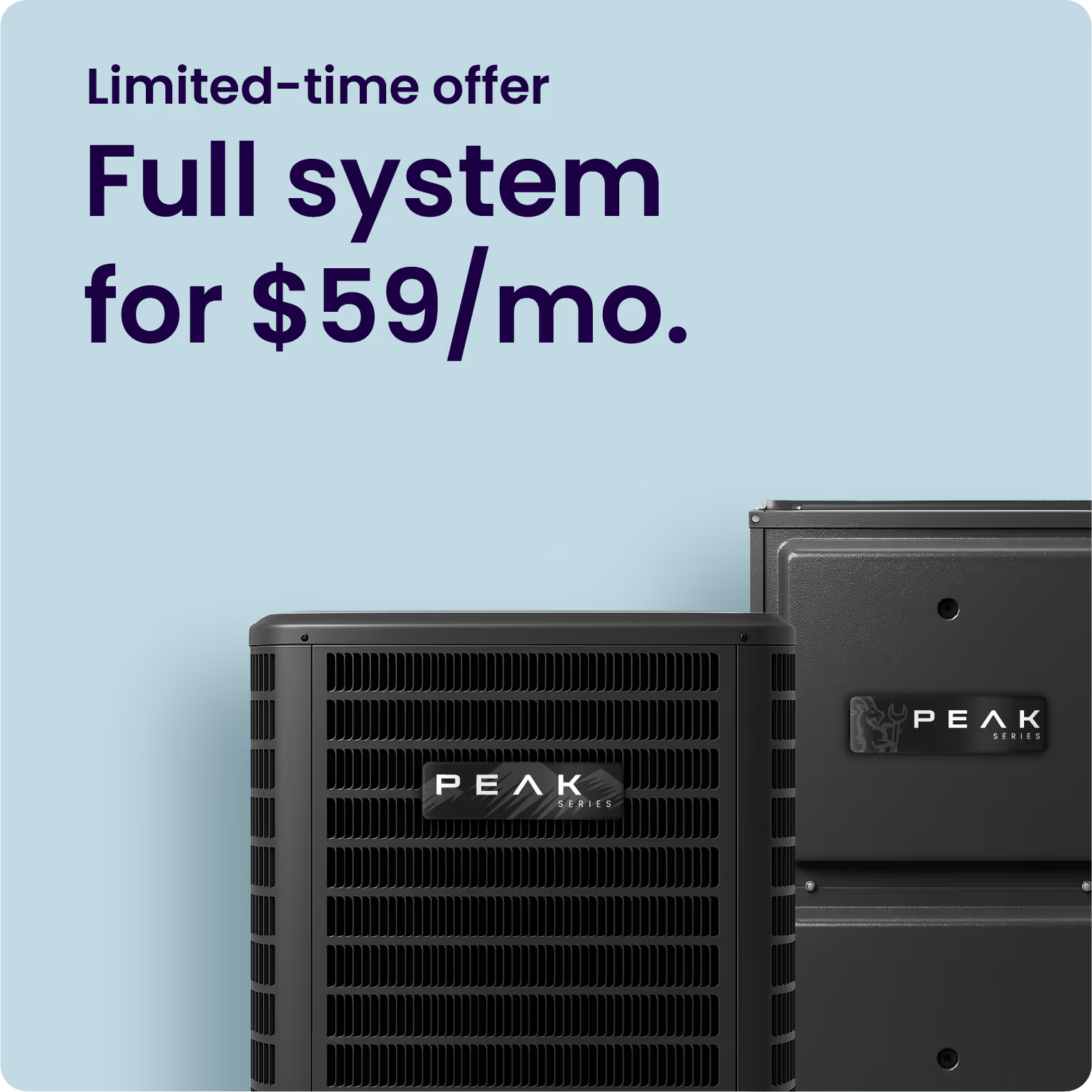
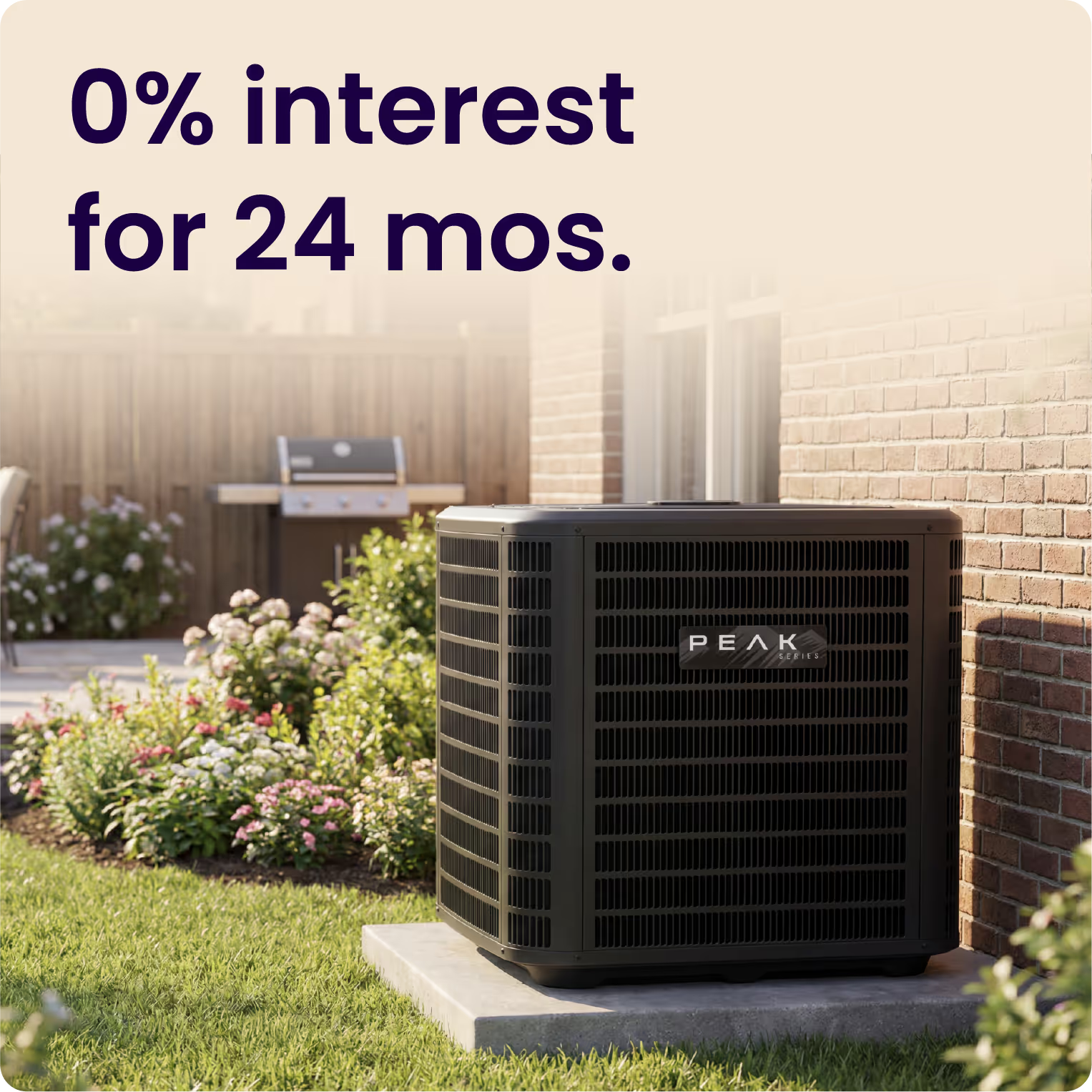
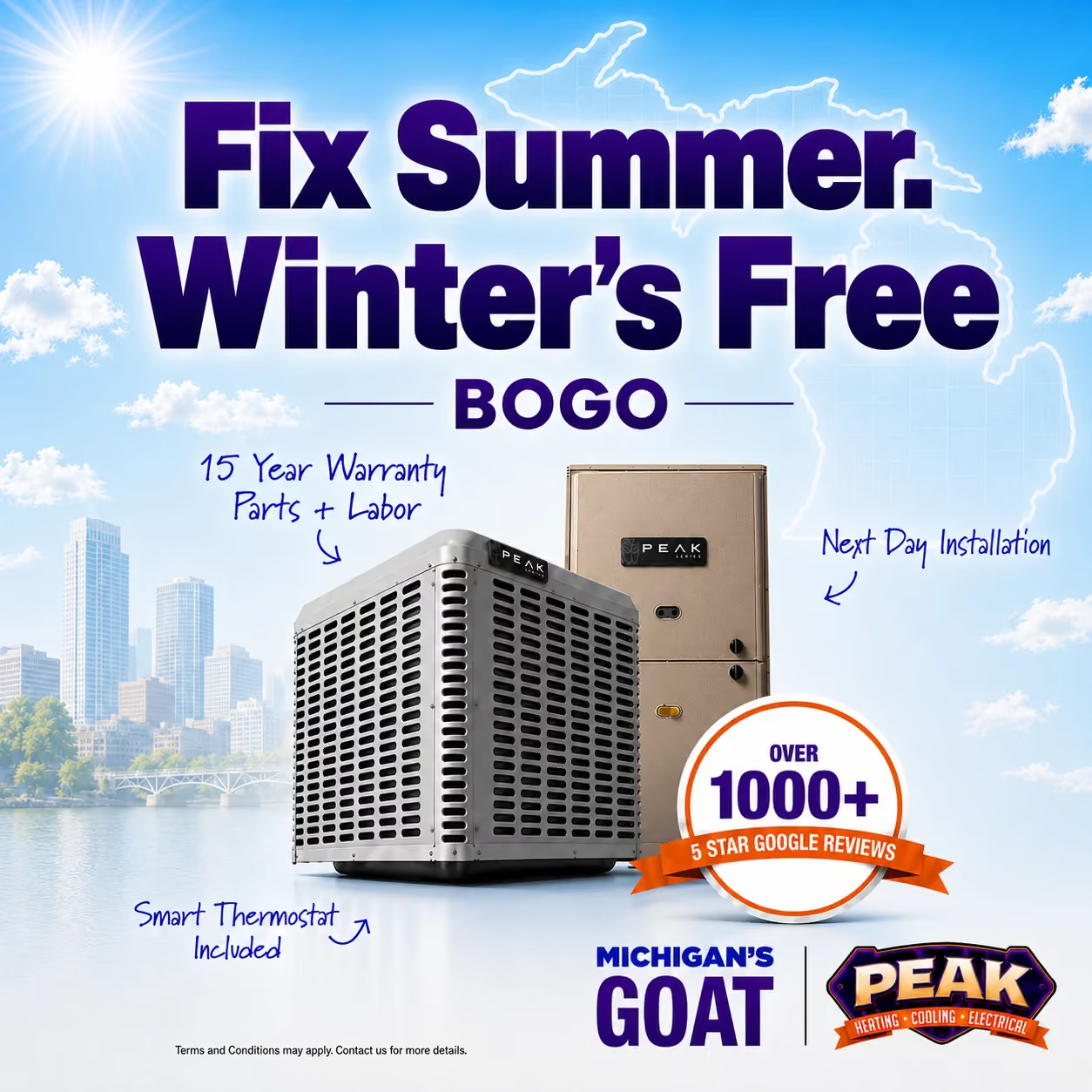
Daily HVAC offers.
Here's what to EXPECT when you get an estimate.
No guesswork, no surprise fees. Here's exactly what happens from the first call to the final walkthrough — same-day service, every step explained.

Step 1
Book online or call 24/7
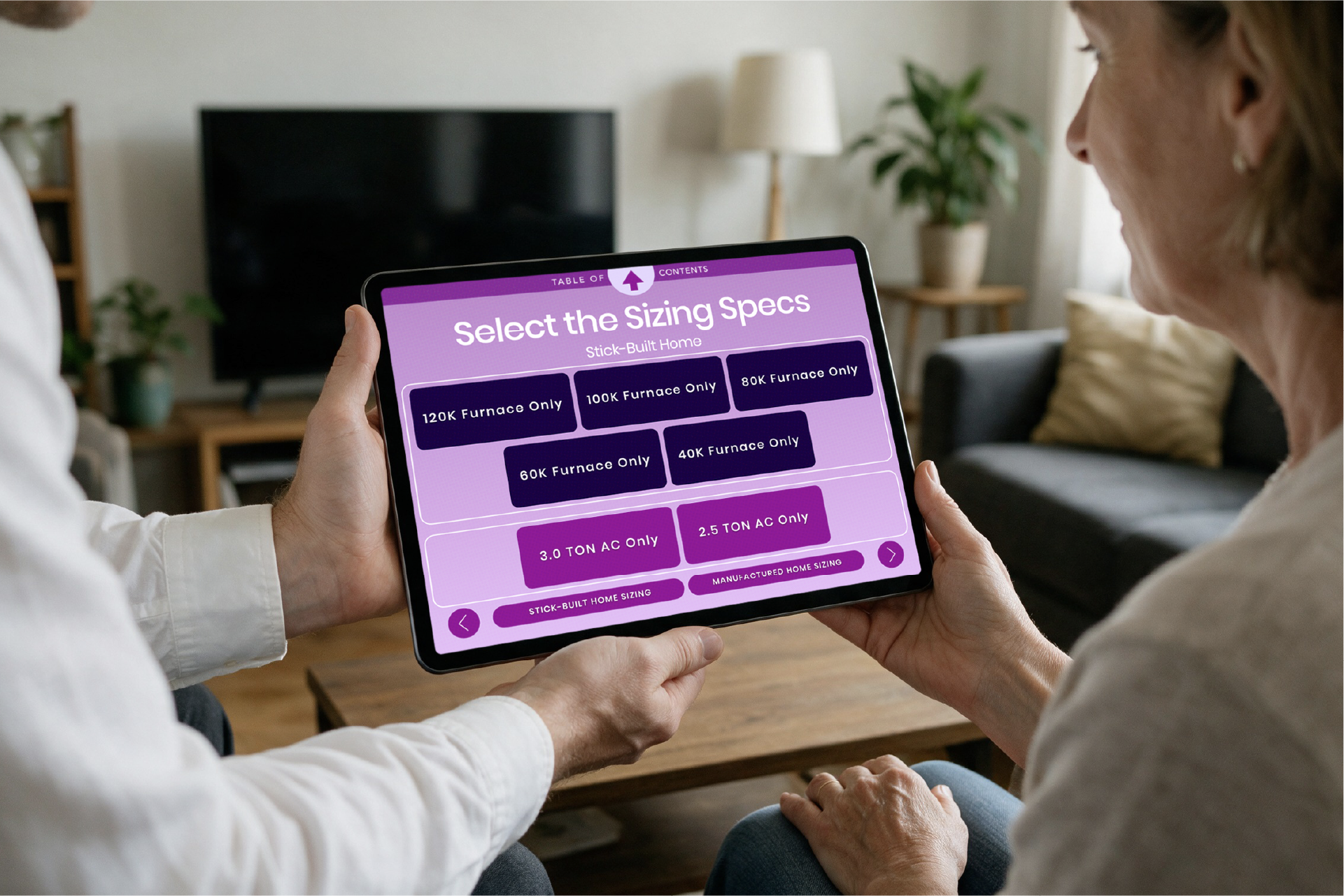
Tell us what's happening and grab the next available two-hour arrival window that works for you.
Step 2
Transparent quote
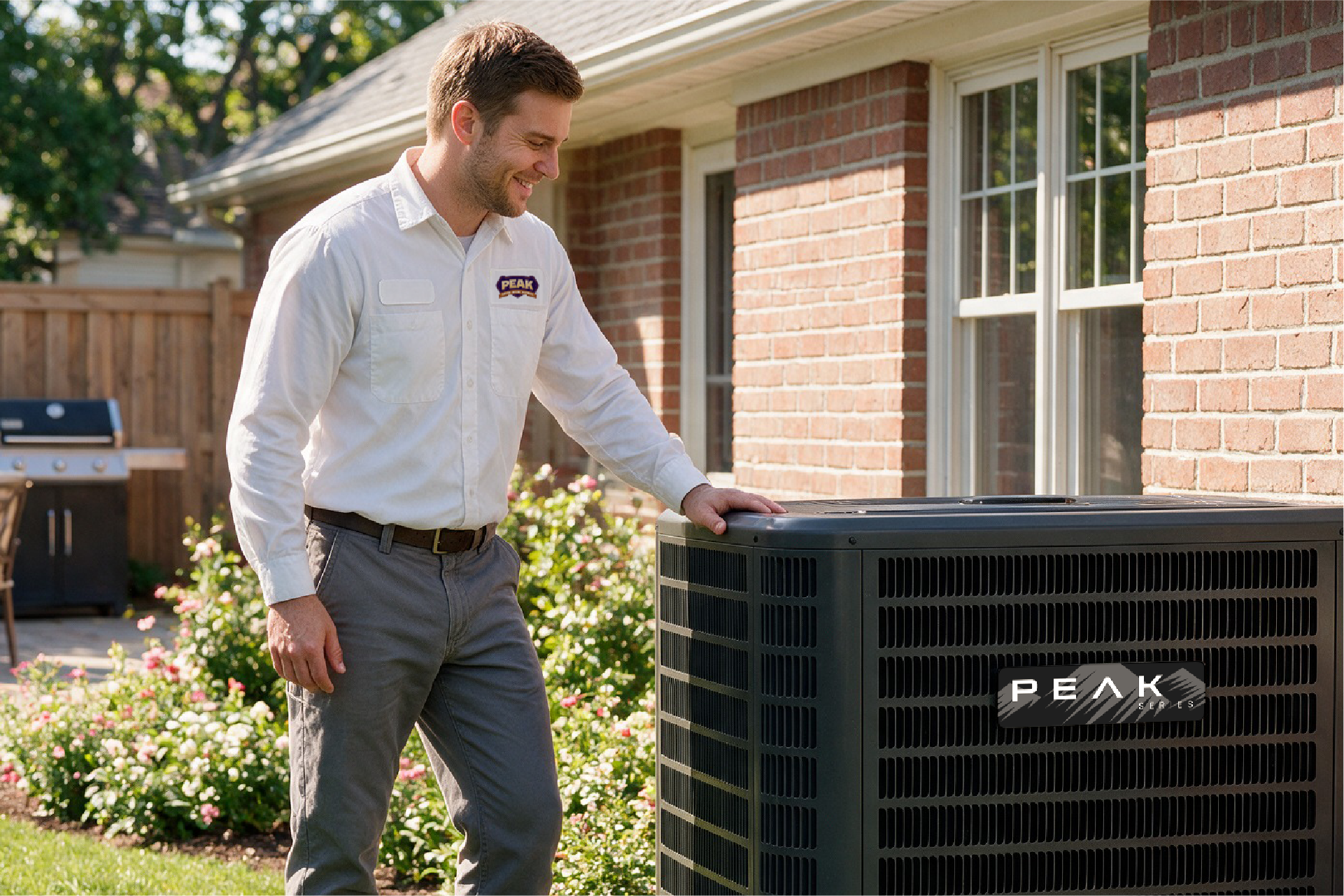
Itemized pricing for equipment, labor, and parts — plus flexible financing. Zero hidden fees.
Step 3
Professional install
Certified, background-checked techs install cleanly, haul away the old unit, and protect your floors.

Step 4
Walkthrough & warranty
We test everything, show you how it runs, and register your 15-year parts warranty on the spot.
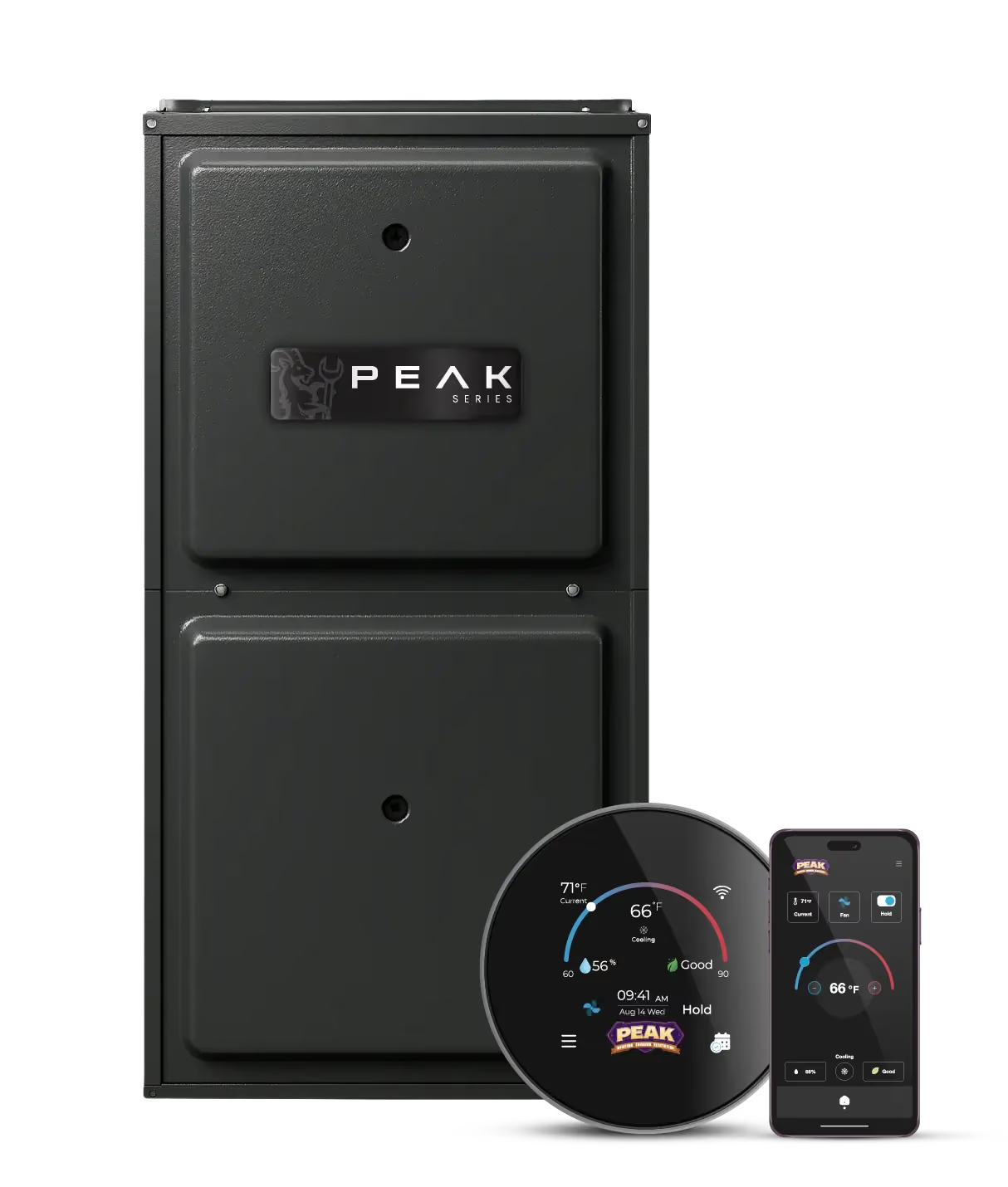
A closer look at your new Peak Series Furnace.

Insulated blower compartment for thermal and acoustic performance, ensuring quieter heating operation and improved energy efficiency.

Internal condensate trap design provides condensate management options, ensuring reliable heating performance and flexible furnace installation options.

Designed for flexibility, our Peak Series furnaces easily adapt to upflow, horizontal, or downflow installations with minimal conversion. This versatility makes the Peak Series furnaces a perfect fit for any home layout, simplifying installation, reducing time and cost on both installation and maintenance, all while maintaining optimal heating performance.
Flexible Furnace Install Payment Plans
Comfort first, pay later. Opt for our flexible payment plans with payments as low as $99/month.
Furnace Trade-Ins Available
Trade in your old HVAC system and get up to $200 off or use your Peak Club Annual Trade-In Credit for greater savings.
Three furnace operating options.

Single Stage

Two Stage

Modulating
AFUE Modulating
15.2 SEER2 Rating
Wi-fi Smart Thermostat
Warranty Parts + Labor
1
2
3
4
5
Long-Term Cost
Efficiency
Comfort
Warranty
Technology
These ratings are subjective and may vary based on individual usage, needs, and preferences.
If you want the smoothest, quietest, and most efficient heating available, the Deluxe furnace is it. With a 98% AFUE modulating system, it adjusts heat output in real time to match your home’s exact needs. That means consistent warmth, no swings in temperature, and serious savings on gas bills. You’ll also notice how whisper-quiet it runs—even in the coldest parts of winter.
Deluxe
AFUE Two-Stage
15.2 SEER2 Rating
Wi-fi Smart Thermostat
Warranty Parts + Labor
1
2
3
4
5
Long-Term Cost
Efficiency
Comfort
Warranty
Technology
These ratings are subjective and may vary based on individual usage, needs, and preferences.
The Comfort+ gives you the best of both worlds: a two-stage gas valve for improved efficiency, and a variable-speed blower for superior airflow and humidity control. With a 96% AFUE rating, this system reduces waste and delivers steady, comfortable heat without the frequent on-off cycling of older units. It’s perfect for families who value comfort, reliability, and efficiency in colder Michigan months.
Comfort Plus
AFUE Single-Stage
14.3 SEER2 Rating
Wi-fi Smart Thermostat
Warranty Parts + Labor
1
2
3
4
5
Long-Term Cost
Efficiency
Comfort
Warranty
Technology
These ratings are subjective and may vary based on individual usage, needs, and preferences.
Our Comfort package is a workhorse—96% AFUE single-stage performance that keeps your home warm without overcomplicating things. If you’re upgrading from an older furnace, you’ll see an immediate difference in both energy bills and air quality. It’s a smart pick for homeowners who want trusted heating performance and better efficiency at a great price.
Comfort
AFUE Single-Stage
13.4 SEER2 Rating
Wi-fi Smart Thermostat
Warranty Parts + Labor
1
2
3
4
5
Long-Term Cost
Efficiency
Comfort
Warranty
Technology
These ratings are subjective and may vary based on individual usage, needs, and preferences.
Don’t let the word “economy” fool you—this 92% AFUE furnace is built to last. It offers dependable, single-stage heating and simple controls that get the job done without extra bells and whistles. It’s ideal for smaller homes, rentals, or those looking to replace an aging furnace without overspending.
Economy
AFUE Single-Stage
13.4 SEER2 Rating
Wi-fi Smart Thermostat
10 + 1 Year Warranty
1
2
3
4
5
Long-Term Cost
Efficiency
Comfort
Warranty
Technology
These ratings are subjective and may vary based on individual usage, needs, and preferences.
Designed for contractors and new construction, the Builders furnace delivers essential heating at 92% AFUE. It includes the same safety features and core functionality as higher-tier models but skips advanced features to keep costs low. It’s ideal for homeowners who want an entry-level system backed by professional installation and support.
Builders
AFUE Single-Stage
13.4 SEER2 Rating
Wi-fi Smart Thermostat
Only Parts Warranty
1
2
3
4
5
Long-Term Cost
Efficiency
Comfort
Warranty
Technology
These ratings are subjective and may vary based on individual usage, needs, and preferences.
Essentials is just that—the essential solution when you need heat now. It’s a 92% AFUE single-stage furnace that’s efficient, durable, and gets the job done without fluff. Whether it's a rental property or a quick turnaround install, this is a furnace you can trust for day-to-day performance.
Essentials

Aura Smart Thermostat
Learn more about our Peak Series Aura Smart Thermostat. A smart thermostat that does it all, and saves you money on heating and cooling energy bills.
Peak Furnace Heating Repair
Is your furnace not working as it should? Peak Heating and Cooling provides the fastest, reliable furnace repair services to get your system back on track.

Peak Furnace Heating Maintenance
Peak Heating and Cooling will service your heating systems to ensure your furnace operates at its most efficient potential on top of keeping your air quality clean.
Energy savings
Save up to 34% on
your heating bills.
Look forward to additional energy savings with your new Peak Series furnace that's perfectly designed for and sized to your home.
The percentage savings are based on the Peak Series DELUXE furnace. Not guaranteed; actual savings depend on usage, home, and maintenance.

American built furnaces.
American quality.
Our Peak Series furnaces are proudly American made. That means you can keep your peace of mind knowing that it was built to the highest standards. We trust the quality of our furnaces so much that we can confidently offer our industry-leading 15-year warranty on our Peak Series furnaces.
Same-day, next-day furnace installation
When you need heating, we know it's urgent. That's why we offer same-day and next-day furnace installations to make sure your home remains warm and comfortable without too long of a wait.

Eyebrow
4.9 On Google · 1,900+ reviews
What your neighbors are saying about the G.O.A.T.s
Jon Pratt
Kaylee Wolfe
Jazziecat
Heather Bishop
Service Areas
See where Peak services HVAC near you.
Discover More Services
Home services directly from PEAK.
Offers & Promotions
Current rebates and seasonal discounts on HVAC and electrical work.
Pay Monthly at 0% APR
Finance your new system with no interest, ever.
Maintenance Plans
Scheduled tune-ups and priority service, year-round.
Service Areas
Check if Peak covers your neighborhood.
Service Pricing
Upfront pricing before work begins—no surprises.
Reviews
Real feedback from homeowners who trust Peak.
Furnace Repair
Fast diagnostics and lasting repairs, any furnace type.
Furnace Tune-Ups
Seasonal tune-ups to keep your furnace running efficiently.
Furnace Installs
Expert sizing and fast installation of a new furnace.
Furnace Replacements
Honest repair-vs-replace guidance, backed by 15-year warranties.
Water Heater Installs
Same-day installation of a new, efficient water heater.
Peak Aura Thermostat
Smart temperature control, installed and set up for you.
AC Repair
Fast diagnostics and lasting repairs, any AC type.
AC Tune-Ups
Seasonal tune-ups to keep your AC running efficiently.
AC Installs
Expert sizing and fast installation of a new AC.
AC Replacements
Honest repair-vs-replace guidance, backed by 15-year warranties.
Peak Aura Thermostat
Discover home HVAC, electrical service offers for your home.
FAQs
Frequently Asked Furnace Replacement Service Questions.
How much disruption should I expect during a furnace replacement?
Less than most people expect. A typical furnace replacement is a one day job, and you can stay home during it.
What the day looks like: the crew arrives in the morning, lays floor protection along the work path, shuts off gas and power to the equipment, removes the old furnace, sets and connects the new one, completes venting and electrical work, tests the full heating cycle, cleans the work area, and finishes with a walkthrough of the system and thermostat.
What to plan for:
- No heat during the changeover, so the house cools somewhat in cold weather
- Some noise, particularly during removal and any sheet metal work
- Traffic in and out, so pets are best kept in a closed room
- Roughly three to four feet of clear space needed around the equipment
If the job extends to a second day for venting or duct work, we discuss it with you in advance and arrange temporary heat when the weather requires it.
Are there rebates or tax credits for replacing a furnace?
Frequently, yes, from three sources that stack.
- Federal tax credits for energy efficient home improvements apply to qualifying high efficiency furnaces, with eligibility tied to efficiency thresholds and subject to annual limits. Claimed on your tax return.
- Utility rebates from gas and electric providers, which vary widely by market and change year to year. Some are instant, some are mail in, and some require a pre approval step before installation.
- Manufacturer promotions, which are seasonal and tied to specific equipment tiers.
The timing detail that costs people money: some utility programs require the rebate application to be submitted before work begins. Deciding to look into rebates after installation sometimes disqualifies the job.
Bring it up during your estimate. Eligibility depends on the AFUE of what you install, and in some cases the incentives cover a meaningful share of the step up to a higher tier. We identify what applies and provide the documentation you need.
Should I replace my furnace with a heat pump?
It depends on your climate, your fuel costs, and your electrical service, and the right answer differs meaningfully by region.
Where a heat pump makes strong sense: mild to moderate winters, homes currently using electric resistance heat, and markets where electricity is inexpensive relative to gas or propane. A heat pump moves heat rather than creating it, which is why it can deliver more heat energy than the electrical energy it consumes.
Where a furnace still wins: severe cold climates with cheap natural gas, and homes where electrical service would require a costly upgrade.
The middle path: a dual fuel system pairs a heat pump with a gas furnace. The heat pump handles mild conditions efficiently, and the furnace takes over below the crossover temperature where gas becomes the cheaper source. You get the efficiency without the cold weather compromise.
We run the comparison using your actual utility rates and climate rather than a general rule, and show you the numbers.
Should I replace my furnace and air conditioner together?
If both are near end of life, yes, and the reasoning is practical rather than promotional.
Why together costs less than separately: the evaporator coil sits on the furnace, and the blower that serves your air conditioner lives inside the furnace cabinet. Doing both at once means one labor mobilization, one set of connections, and one permit rather than two.
Why matched systems perform better: published efficiency ratings assume a matched indoor and outdoor pairing. Variable speed and multi stage comfort features require both halves to communicate. A high end furnace paired with a basic older air conditioner delivers only part of what you paid for.
When not to: if one unit is genuinely young and sound, replacing it early wastes remaining life. There is no reason to replace a seven year old air conditioner because the furnace failed.
The honest test is whether the second unit is within roughly three to five years of replacement anyway. If it is, doing it once is the better decision.
Will a high efficiency furnace lower my heating bills?
Yes, and the size of the reduction scales directly with how much you heat. AFUE is the ratio of fuel converted to usable heat, so replacing an older furnace with current high efficiency equipment reduces the fuel wasted out the flue on every cycle.
Where the gain comes from: older mid efficiency furnaces send a meaningful share of their fuel energy up the chimney. Condensing furnaces extract additional heat from the exhaust gases as they cool and condense, which is why they vent through PVC rather than a chimney.
What else affects the real world result:
- Two stage and modulating operation reduce consumption further by running at lower output most of the time instead of full blast in short bursts
- Variable speed blowers cut electrical consumption on the fan side
- Proper sizing and sealed ducts protect the gain you paid for
In a long, cold heating season the payback is meaningful. In a mild climate it stretches out, and we will tell you that honestly.
What are the signs I need a new furnace?
Individually these warrant a look. Together they point clearly to replacement.
- Age past fifteen years combined with any significant repair
- Rising heating bills not explained by rates or weather, which indicates declining efficiency
- Repeat repairs, two or more across recent seasons
- Uneven heating or rooms that no longer reach setpoint on cold days
- Short cycling that persists after service
- Yellow burner flame or soot around the unit, indicating combustion problems
- Excessive noise, including banging, rattling, or grinding
- Increased dust or dry air throughout the house
- Any carbon monoxide detector activity traced to the furnace
The decisive one: a cracked heat exchanger confirmed by inspection. That is a safety issue, not a comfort issue, and the furnace should be taken out of service until it is resolved. We will show you what the technician found rather than asking you to take it on faith.
Should I repair or replace my furnace?
Consider age, repair cost, repair history, and safety together.
- Under ten years: repair is almost always correct
- Ten to fifteen years: weigh the repair cost against remaining life, and factor in what efficiency you would gain
- Over fifteen years: a significant repair usually favors replacement
The repairs that end the discussion: a cracked heat exchanger and a failed control board on an older unit. A cracked heat exchanger is a carbon monoxide hazard, and while the part may technically be covered under warranty, the labor to replace it on an aging furnace frequently approaches the cost of new equipment that carries a fresh warranty.
The pattern to watch: two or more service calls in the last two heating seasons means the furnace has entered its failure phase. The next repair is not the last one.
Our technicians give you the repair number and the replacement number, and explain the reasoning behind the recommendation rather than just naming one.
How long does a furnace last?
Fifteen to twenty years is the realistic range for a gas furnace, with well maintained units in moderate climates reaching the upper end and neglected ones falling well short. Some furnaces run past twenty years, but efficiency and safety both deserve scrutiny at that point.
What determines where you land:
- Annual maintenance, particularly filter discipline and burner cleaning
- Correct sizing. Oversized furnaces short cycle, and every ignition is a thermal stress event on the heat exchanger
- Airflow. Chronic restriction from dirty filters or undersized ducts raises temperature rise and shortens heat exchanger life
- Installation quality. Correct gas pressure, venting, and airflow at day one set the ceiling
- Run hours. A furnace in a long, cold heating season works considerably harder
The safety consideration age brings: heat exchangers develop cracks over time, and a cracked heat exchanger is a carbon monoxide risk. Past fifteen years, that inspection matters more each season.
Still have questions?
Lorem ipsum dolor sit amet, consectetur adipiscing elit.
